
Vascular surgery in Sugar Land, TX
Arteries and veins, from the neck to the feet, in the care of one vascular surgeon. Ultrasound is done at the clinic, and no referral is needed.
Where do you feel it?
The carotid arteries in your neck
Plaque in these arteries can narrow them and raise the risk of a stroke. It often causes no symptoms until it is serious, so an ultrasound is how it is found.
The aorta, your largest artery
An aortic aneurysm is a bulge in the wall of this artery. It usually causes no pain until it is large, and an ultrasound can find it early.
Access for dialysis, and the arm and shoulder
A fistula or graft gives dialysis a safe way to reach your blood. We create it, and we treat it when it narrows or clots. Tingling or swelling in an arm can also come from a tight space near the collarbone.
The arteries that feed your legs
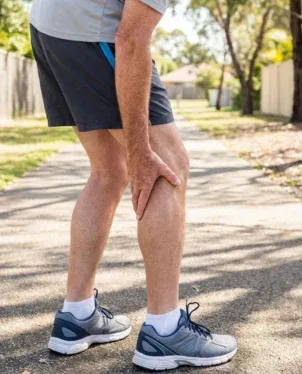
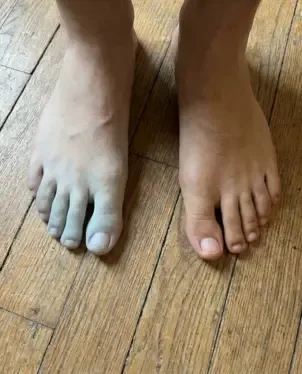
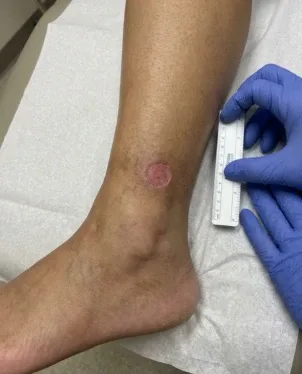
Narrowed leg arteries cause cramping when you walk, cold or pale feet, and sores that are slow to heal. Opening the artery is often what lets a sore heal.
A possible blood clot
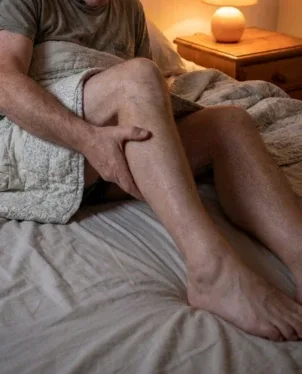
A clot in a deep vein can break loose and travel to the lungs. Do not wait for a visit. Go to an emergency room today, and call 911 for chest pain or sudden trouble breathing.
Some signs cannot wait for a visit
Call 911 or go to an emergency room now for any of these.
- Face drooping, arm weakness, or trouble speaking
- Sudden, severe pain in the belly or back
- Chest pain, or sudden trouble breathing
- A leg that turns cold, pale, or numb all at once
Procedures, by where they work
Most start with a small-opening approach when it is the right choice. Dr. Rema Malik decides with you, after your tests.
Leg arteries
Angioplasty and Stenting
A balloon widens a narrowed or blocked artery, sometimes followed by a stent to keep it open. It is used to restore blood flow in peripheral artery disease.
- Time:
- About 45 to 90 minutes
- Afterward:
- Many people go home the same day or the next day
Thromboendarterectomy
The surgeon opens the blocked artery and removes the plaque and clot from inside the wall. The artery is closed, often with a patch, and blood flows again.
- Time:
- Varies with the artery and the work needed
- Afterward:
- A hospital stay is common, followed by weeks of recovery
Neck arteries
Carotid Endarterectomy (CEA)
Through a small cut in the neck, the surgeon opens the carotid artery and removes the plaque that is narrowing it. The artery is then closed, and blood flows freely to the brain.
- Time:
- Often 1 to 2 hours, plus recovery time
- Afterward:
- A short hospital stay is common. Most people return to light activity within days to weeks
TCAR (Transcarotid Artery Revascularization)
Through a small cut just above the collarbone, a stent is placed in the narrowed carotid artery. Blood flow is briefly reversed while it is placed, so loose plaque is caught in a filter and kept from the brain.
- Time:
- Often about 1 to 2 hours
- Afterward:
- Many people stay a short time for monitoring and return to light activity within days
The aorta
EVAR (Endovascular Aneurysm Repair)
A fabric-covered stent graft is guided through the arteries in the groin into the aorta. It lines the weak, bulging section so blood flows through the graft, not against the wall of the aneurysm.
- Time:
- Often 2 to 3 hours
- Afterward:
- Many people go home within a day or two, and return to light activity within a couple of weeks
Clots and abnormal vessels
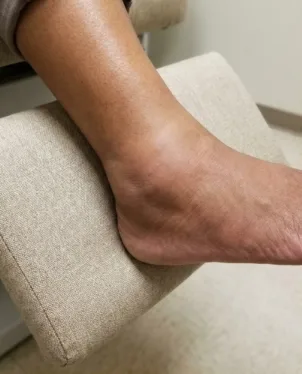
Thrombectomy
A thin catheter is guided to the clot, and the clot is pulled out or broken up and suctioned away. In some cases, open surgery is used instead. The goal is to restore blood flow.
- Time:
- Varies with the type and size of the clot
- Afterward:
- Varies. Many people stay in the hospital for monitoring first
Embolization Procedures
A thin catheter is guided through a small opening to the targeted vessel. Coils, plugs, or other material block the vessel, so blood flow stops where it is causing a problem.
- Time:
- Varies with what is being treated
- Afterward:
- Many people go home the same day or the next, with light activity within days
On-site vascular diagnostics
Noninvasive vascular studies show blood flow and vessel walls, so many problems are found without surgery. Dr. Rema Malik reviews the results with you at your visit.
Duplex ultrasound
Sound waves show blood flowing through your arteries and veins. It takes about half an hour and needs no needles.
About vascular ultrasound →Ankle-brachial index
Blood pressure taken at your arm and at your ankle. A lower number at the ankle can point to narrowed leg arteries.
Intravascular ultrasound
For some procedures, a tiny ultrasound probe inside the vessel shows the artery wall as the work is done.
Looking for varicose veins, spider veins, or swollen legs? See vein care →
Ready to talk to a vascular surgeon?
Same-week appointments. No referral needed. Most insurance accepted.