
Pulmonary Embolism Signs and Follow-Up Care in Sugar Land
A pulmonary embolism is a blood clot in the lungs. It is an emergency. Call 911 first. Dr. Rema Malik helps with the clot source and what comes next.
Quick answer
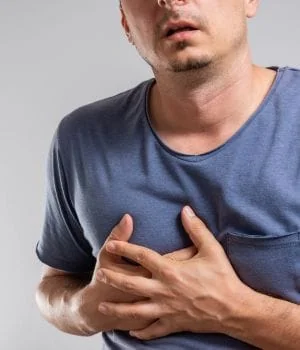
A pulmonary embolism (PE) is a blood clot that travels to the lungs, usually from a deep leg vein. Warning signs include sudden shortness of breath, chest pain, a fast heartbeat, or coughing up blood. A PE is a medical emergency. Call 911. Do not drive yourself.
- Call 911 for sudden breathlessness or chest pain
- Most PE starts as a deep vein clot in the leg
- Follow-up care lowers the chance of another clot
Facts to know
900,000
people in the United States are affected by a blood clot each year, at most. CDC, Data and Statistics on Venous Thromboembolism
About half
of people with DVT have no symptoms at all. CDC, About Venous Thromboembolism
About 1 in 3
people with a blood clot have another within 10 years. CDC, Data and Statistics on Venous Thromboembolism
What is a pulmonary embolism?
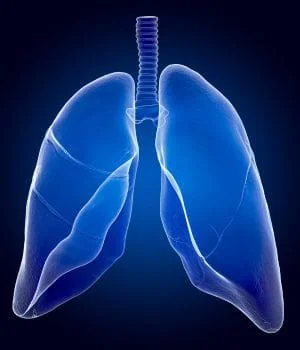
A pulmonary embolism (PE) is a blood clot that blocks an artery in the lungs. Most start as a clot in a deep leg vein. A piece breaks off, travels through the heart, and lodges in the lungs.
A PE is an emergency. Call 911. Do not try to drive yourself.
What are the warning signs?
- Sudden shortness of breath
- Chest pain that gets worse when you breathe in
- A fast heartbeat
- Coughing, sometimes with blood
- Lightheadedness or fainting
Leg pain, swelling, or warmth in one leg can be a sign of the clot that caused it. You can also have a PE with no leg signs at all.
Why does it happen?
Clots form when blood flow slows, the vein wall is hurt, or the blood clots more easily. Common risk factors include:
- recent surgery or a hospital stay,
- long travel or long bed rest,
- a past DVT or PE,
- cancer or cancer treatment,
- pregnancy and the weeks after,
- hormone medicines, and
- family history of clots.
When should I see a vascular surgeon?
For a suspected PE, go to the emergency room. See Dr. Rema Malik after emergency care, or if you have:
- leg pain or swelling that may be a DVT,
- a past clot and want to lower the chance of another, or
- long-term leg swelling or pain after a clot.
Call 911 now for sudden shortness of breath, chest pain, fainting, or coughing up blood.
How is a pulmonary embolism treated?
Treatment starts in the emergency room or hospital. The usual first step is a blood thinner, which stops the clot from growing and lets the body break it down. In more serious cases, the hospital team may use clot-dissolving medicine or a procedure to remove the clot.
After you leave the hospital, follow-up care looks at the leg veins, checks for another clot, and plans how long to take medicine. See our page on deep vein thrombosis. A leg ultrasound is often part of that visit.
What if it is not treated, or cannot be treated?
An untreated PE can be fatal. Do not wait.
Some people cannot take blood thinners, for example after serious bleeding or before certain surgeries. In that case, the hospital team decides on other protection, which may include a filter placed in a large vein. This is decided by the doctors caring for you at the time.
What can I expect after a PE?
Recovery varies. Many people feel short of breath or tired for weeks. Some have lasting leg swelling from the clot. Take medicines exactly as prescribed, keep follow-up visits, and walk as your doctors advise. Call 911 if your breathing suddenly gets worse.
Myths and facts
| Myth | Fact |
|---|---|
| A PE always causes a swollen leg. | Many people have no leg signs. |
| Chest pain with a deep breath is just a pulled muscle. | It can be a PE. Get checked. |
| I can wait for my next appointment. | A PE is an emergency. Call 911. |
| Once the clot is gone, I am done. | Follow-up lowers the chance of another clot. |
Does insurance cover follow-up?
Many plans cover follow-up visits and leg ultrasound after a clot. Coverage differs by plan. After your visit, our team can explain what is likely to be covered.
What happens at the first follow-up visit?
You talk with Dr. Rema Malik about your clot, your medicines, and your health. She examines your legs, and an ultrasound can usually be done the same day. You leave with a plan for your veins and what to watch for. Use the form at the bottom of this page, or call us. Do not use it for an emergency.
What happens if a pulmonary embolism is not treated?
A PE can get worse fast. This is why we say call 911 first.
A clot forms
Often in a deep leg vein. It may cause no symptoms.
It travels
A piece breaks off and moves to the lungs.
Blood flow to the lung is blocked
Sudden breathlessness, chest pain, a racing heart.
Serious or life-threatening harm
Strain on the heart and low oxygen. Needs emergency care now.
Do not wait to see if it passes. Call 911 for sudden shortness of breath, chest pain, fainting, or coughing up blood.
Signs you may have it
- Sudden shortness of breath
- Sharp chest pain, often worse with a deep breath
- A fast or irregular heartbeat
- Coughing, sometimes with blood
- Lightheadedness or fainting
- Leg pain, swelling, or warmth in one leg
How we diagnose it
- Emergency room tests, such as a CT scan of the chest, to confirm a clot in the lungs
- Leg duplex ultrasound to look for the clot source
- Review of what raised your risk, such as surgery, long travel, or past clots
- Follow-up with Dr. Rema Malik after emergency care
Treatments in detail
Related conditions
Sources and further reading
These sources support the figures on this page. Your own numbers can differ, and only an exam and an ultrasound can tell you where you stand.
Frequently asked questions
Still have a question?
Our team answers the phone Monday to Friday, 8 AM to 5 PM.
What should I do if I think I have a pulmonary embolism?
Call 911. Do not drive yourself. Sudden shortness of breath, chest pain, fainting, or coughing up blood need emergency care now.
Where do pulmonary embolisms come from?
Most start as a blood clot in a deep leg vein, called a DVT. A piece breaks off and travels to the lungs.
Can I have a pulmonary embolism without a swollen leg?
Yes. Many people with a leg clot have no leg symptoms.
What happens after emergency treatment?
You usually take blood thinners and have follow-up to check the veins and lower the chance of another clot. Dr. Rema Malik can see you for the leg veins and long-term plan.
Do I need a referral?
For follow-up care, no. You can call and schedule a visit directly. For a suspected PE, go to the emergency room, not our office.
Not ready to book? Get the monthly newsletter.
Plain-language vein and vascular guidance from Dr. Malik, once a month.
Ready to talk to Dr. Rema Malik?
Tell us how to reach you. A team member calls to find a time that works. No referral needed.
- Same-week appointments are typically available
- On-site ultrasound, so you can leave with answers
- Most insurance accepted. Our team checks coverage first
Request an appointment
Takes about a minute. We call you back.