Angioplasty and Stenting for Artery Blockages in Sugar Land, TX
A balloon opens a narrowed artery in the leg, and sometimes a small mesh tube keeps it open. It is a minimally invasive treatment for peripheral artery disease.
At a glance
- Typical time
- About 45 to 90 minutes
- Downtime
- Many people go home the same day or the next day
- Anesthesia
- Local anesthetic, sometimes with sedation
What are angioplasty and stenting?
Angioplasty and stenting are procedures that reopen a narrowed or blocked artery without a large incision. They are used to treat peripheral artery disease (PAD), where plaque narrows the arteries that carry blood to the legs.
In angioplasty, a catheter is guided to the narrowed spot and a small balloon is inflated to widen the artery. A stent, a small mesh tube, may then be placed to keep the artery open.
Who is it for?
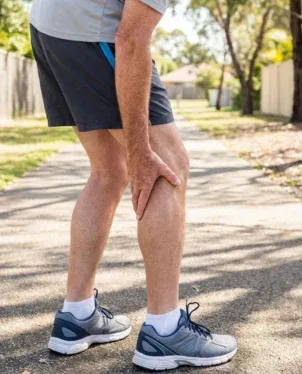
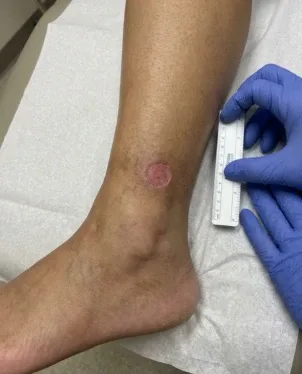
It may be an option if PAD causes leg pain that limits your walking, pain in your feet at rest, or a sore that will not heal. A scan and an exam first show where the artery is narrowed and how severe it is. Many people with milder disease start with a walking program, medicine, and control of risk factors. Learn more about peripheral artery disease.
Dr. Rema Malik decides whether a procedure suits you, and which one.
How does the procedure work?
- Numbing. The skin where the catheter goes in, often at the groin, is numbed. You may also get medicine to help you relax.
- Access. A small puncture is made into an artery, and a thin catheter is guided to the narrowed spot using X-ray images.
- Opening. A balloon is inflated to widen the artery. A stent may be placed to hold it open.
- Finish. The catheter is removed, and pressure is held on the puncture site.
What does it feel like?
Most people feel pressure at the puncture site. You may feel warmth or brief discomfort when the balloon is inflated. You are usually awake or lightly sedated, and the team talks you through it.
What is recovery like?
Many people go home the same day or the next day. You are asked to rest the first day and avoid heavy lifting for a short time. Our team will tell you when to return to normal activity and when to come back for a check.
What are the risks?
Risks can include bleeding or bruising at the puncture site, damage to the artery, a reaction to the contrast dye, kidney injury (especially if you already have kidney disease), and the artery narrowing again. Rarely, a clot or an infection can occur. Dr. Rema Malik will review the risks and the alternatives with you.
When should I see a vascular surgeon?
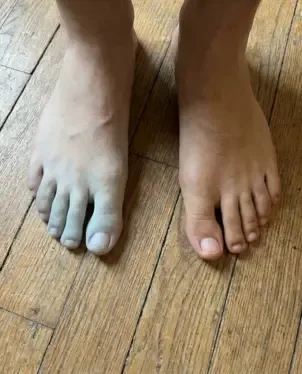
See a surgeon if leg pain limits how far you can walk, if your feet are cold or painful at rest, or if a sore on your leg or foot is not healing. A leg that suddenly turns cold, pale, or numb is an emergency. Call 911.
Call us at the number on this page to request a visit. You do not need a referral.
Conditions this treats
Frequently asked questions
Still have a question?
Our team answers the phone Monday to Friday, 8 AM to 5 PM.
What is angioplasty?
A thin tube called a catheter is guided through an artery to the narrowed spot. A small balloon on the tip is inflated to push the plaque against the artery wall and widen the channel for blood.
What is a stent?
A stent is a small mesh tube. If the artery tends to spring back or does not stay open after the balloon, a stent may be placed to hold it open.
Who needs it?
It is often considered for peripheral artery disease that causes leg pain that limits walking, pain at rest, or sores that will not heal. Many people with mild disease are treated first with walking programs, medicine, and risk-factor control.
Is it done with surgery?
It is done through a small puncture, often in the groin, instead of a large incision. This is called an endovascular, or minimally invasive, approach. Some blockages are better treated with bypass surgery, and Dr. Rema Malik can explain which fits.
What is recovery like?
Many people go home the same day or the next day and return to light activity soon after. Our team gives you instructions for the puncture site, activity, and medicines.
Will the artery narrow again?
It can. Treated arteries can narrow over time, so follow-up visits and ultrasound checks are part of care. Not smoking, taking prescribed medicines, and staying active lower the chance.
Not ready to book? Get the monthly newsletter.
Plain-language vein and vascular guidance from Dr. Malik, once a month.
Ready to talk to a vascular surgeon?
Same-week appointments. No referral needed. Most insurance accepted.