Atherosclerosis Care in Sugar Land, TX
Plaque slowly narrows arteries all over the body. Finding it early protects your legs, your brain, and your heart.
Quick answer
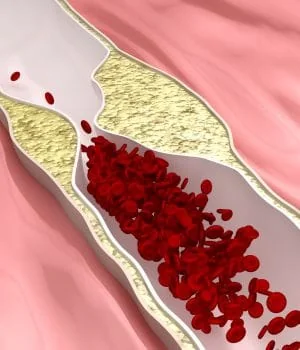
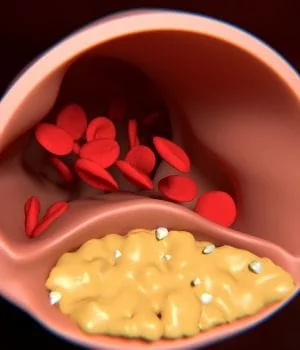
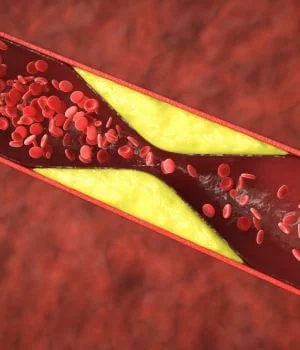
Atherosclerosis is the slow build-up of plaque, made of fat, cholesterol, and other material, inside the arteries. It narrows and stiffens them. It can cause leg pain when walking, poor wound healing, stroke, and heart attack. It is managed with medicine, lifestyle changes, and, when needed, procedures.
- Builds slowly, often with no symptoms at first
- Affects the legs, the neck arteries, the aorta, and the heart
- Managed with medicine and lifestyle, and procedures when needed
What is atherosclerosis?
Atherosclerosis is a slow build-up of plaque inside your arteries. Plaque is made of fat, cholesterol, calcium, and other material. Over years it narrows the artery and makes the wall stiff, so less blood gets through. It can happen in any artery, including those that feed the legs, the brain, the kidneys, and the heart.
Why does it happen?
Plaque starts where the inner wall of an artery is damaged. Risk goes up with:
- Smoking, which is among the strongest risks
- High blood pressure
- High cholesterol
- Diabetes
- Extra weight and low activity
- Age and family history
What are the signs?
Many people have no signs for years. When symptoms come, they depend on where the plaque is.
- Legs. Cramping when walking, cold feet, or sores that will not heal. See peripheral artery disease.
- Neck. Stroke or mini-stroke. See carotid artery disease.
- Aorta. It can weaken the wall, leading to an aortic aneurysm.
When should I see a vascular surgeon?
Consider a visit if you smoke or have diabetes, high blood pressure, or high cholesterol, and you have leg pain when walking, cold feet, or sores that are slow to heal. You do not need a referral.
Call 911 for sudden face drooping, arm weakness, speech trouble, vision loss, or chest pain. Go to an emergency room today for a leg or foot that suddenly turns cold, pale, or numb.
How is it evaluated and treated?
Dr. Rema Malik reviews your risks, checks pulses, and may test your blood flow with an ankle-brachial index and an ultrasound.
- Medicine. Cholesterol medicine, blood pressure medicine, and often a blood thinner, as your doctors prescribe.
- Lifestyle. Stop smoking, walk regularly, eat well, and manage diabetes.
- Procedures. When an artery is narrowed enough to cause trouble, options include angioplasty and stenting, or surgery to clean out the artery. See thromboendarterectomy.
What if I do not, or cannot, get treated?
Plaque keeps growing without care, and the chance of stroke, heart attack, or limb loss goes up. Medicine and lifestyle change lower that risk for most people, even when a procedure is not needed.
Some people cannot have a procedure because of other health conditions. Then the focus is on medicine, walking programs, wound care, and checking for changes. You can reconsider treatment at any time.
What can I expect after treatment?
Medicine and lifestyle changes work slowly and last for life. After a procedure, recovery depends on the type. Your care team gives written instructions and follows your progress.
Myths and facts
| Myth | Fact |
|---|---|
| Atherosclerosis is only a heart problem. | It affects arteries everywhere. |
| No pain means no problem. | It can be silent for years. |
| Leg cramps are just aging. | They can be a sign of narrowed leg arteries. |
| It is too late to quit smoking. | Quitting lowers risk at any age. |
Does insurance cover care?
Many plans cover exams, testing, and treatment when symptoms are documented. Coverage differs by plan. After your visit, our team can explain what is likely to be covered.
What happens at the first visit?
You talk with Dr. Rema Malik about your history and risks. She examines your pulses, and tests such as an ankle-brachial index and ultrasound can often be done at the clinic. You leave with a plan. Use the form at the bottom of this page, or call us.
What happens if atherosclerosis is not managed?
Plaque keeps building. These are the steps it can follow, and why early care matters.
Silent build-up
Plaque grows in the arteries with no symptoms.
Symptoms appear
Leg cramps when walking, cold feet, or slow-healing sores.
Serious narrowing
Pain at rest, wounds that will not heal, or warning signs of stroke.
Blockage or damage
Stroke, heart attack, aneurysm, or loss of blood flow to a limb.
Medicine and lifestyle change lower this risk for most people. A vascular exam shows whether your arteries need more.
Signs you may have it
- Leg cramping or pain when walking that eases with rest
- Cold, pale, or bluish feet
- Sores on the legs or feet that are slow to heal
- A weak or missing pulse in the legs or feet
- Warning signs of stroke, such as sudden weakness, speech trouble, or vision loss
- Often no symptoms at all
How we diagnose it
- A review of your risk factors and medicines
- An exam of pulses, skin, and blood pressure in the arms and legs
- Ankle-brachial index, a simple blood pressure test comparing ankle and arm
- On-site ultrasound of the leg and neck arteries
- CT or other imaging when needed
- No referral needed. Same-week appointments are typically available
Treatments in detail
Related conditions
Frequently asked questions
Still have a question?
Our team answers the phone Monday to Friday, 8 AM to 5 PM.
What causes atherosclerosis?
Plaque builds up where the artery wall is damaged. Smoking, high blood pressure, high cholesterol, diabetes, extra weight, age, and family history raise the risk.
Can atherosclerosis be reversed?
Medicine and lifestyle change can slow it, and may shrink plaque in some people. They lower the chance of problems. Dr. Rema Malik will go over what fits you.
Is atherosclerosis the same as PAD?
PAD is atherosclerosis in the leg arteries. The same process can affect the neck arteries, the aorta, and the heart.
When is a procedure needed?
When symptoms limit your life, a wound will not heal, or an artery is narrowed enough to threaten a limb or raise stroke risk. Options include angioplasty and stenting, or surgery.
Do I need a referral?
No. You can call and schedule a visit directly.
Not ready to book? Get the monthly newsletter.
Plain-language vein and vascular guidance from Dr. Malik, once a month.
Ready to talk to Dr. Rema Malik?
Tell us how to reach you. A team member calls to find a time that works. No referral needed.
- Same-week appointments are typically available
- On-site ultrasound, so you can leave with answers
- Most insurance accepted. Our team checks coverage first
Request an appointment
Takes about a minute. We call you back.