
Embolization Procedures in Sugar Land, TX
Closing off a blood vessel from the inside, through a small opening, to treat leaking veins, bleeding, or abnormal vessels.
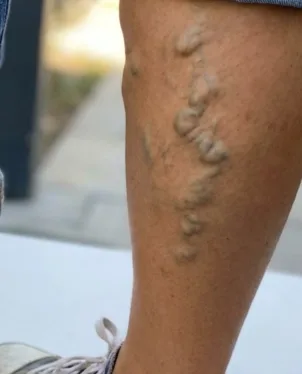

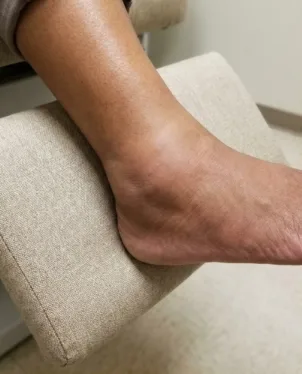
At a glance
- Typical time
- Varies with what is being treated
- Downtime
- Many people go home the same day or the next, with light activity within days
- Anesthesia
- Local with sedation, or general, chosen with your care team
Quick answer
Embolization closes a blood vessel from the inside, using a thin catheter and small coils, plugs, or other material. It is done through a small opening, with X-ray guidance. It is used for leaking pelvic veins, certain bleeding, abnormal vessels, and some other vascular problems.
- Small opening, no large incision
- Blocks a vessel that is causing a problem
- Used for several vascular conditions
What is embolization?
Embolization is a procedure that blocks a blood vessel on purpose. A thin tube, called a catheter, is guided to the vessel through a small opening, usually in a vein in the groin, neck, or arm. Coils, plugs, or other material are placed to close the vessel, so blood no longer flows where it is causing a problem.
Who is it for?
Embolization may be an option for:
- leaking pelvic veins, as in pelvic congestion syndrome,
- some kinds of bleeding,
- abnormal vessel connections, and
- other vascular problems chosen case by case.
How does the procedure work?
- Imaging. Ultrasound, CT, or MRI shows the vessel to treat.
- Access. A small opening is made in a vein or artery, and a catheter is placed.
- Reaching the vessel. Under X-ray, the catheter is guided to the vessel, with dye used to see it.
- Closing the vessel. Coils, plugs, or other material block it. Imaging confirms it is closed.
- Closing. The catheter is removed and the opening is closed.
What does it feel like?
You are comfortably sedated or asleep. Afterward, the opening can be sore, and some people have mild aching in the treated area for a few days.
What can I expect afterward?
Many people go home the same day or the next day. You will get written instructions about activity and warning signs. Light activity returns within days. Results can take weeks to show, and differ by person.
What are the risks?
Embolization is common, but there are risks, including:
- Bleeding or bruising at the opening
- A reaction to the dye or to sedation
- Pain or a fever in the treated area, which usually settles
- Rarely, material that moves, or a vessel that should stay open being blocked
Dr. Rema Malik will go through these with you.
Go to an emergency room today for severe pain, fever, heavy bleeding, or a leg that suddenly swells. Call 911 for chest pain or sudden trouble breathing.
How is it different from other options?
- Medicine can ease symptoms but does not close a vessel.
- Open surgery reaches the vessel through a larger cut.
- Embolization closes the vessel from inside, through a small opening.
What happens before you decide?
You start with a visit, an exam, and imaging. You leave knowing whether embolization fits your condition, or whether another approach is better. You do not need a referral.
Conditions this treats
Frequently asked questions
Still have a question?
Our team answers the phone Monday to Friday, 8 AM to 5 PM.
What conditions can embolization treat?
It is used for leaking pelvic veins, some bleeding, abnormal vessels, and certain other problems. Dr. Rema Malik will tell you if it fits your condition.
Is embolization surgery?
It is a minimally invasive procedure. It uses a thin catheter and a small opening, and not a large incision.
How long does recovery take?
Many people go home the same day or the next. Mild soreness is common. Your care team will give you written instructions.
What are the main risks?
Bleeding or bruising at the opening, a reaction to dye or sedation, and, rarely, closing a vessel that was not meant to close. Dr. Rema Malik will go through the risks with you.
Do I need a referral?
No. You can call and schedule a visit directly.
Will insurance cover it?
Many plans cover embolization when it is medically needed. Coverage differs by plan. We can explain what to expect after your visit.
Not ready to book? Get the monthly newsletter.
Plain-language vein and vascular guidance from Dr. Malik, once a month.
Ready to talk to a vascular surgeon?
Same-week appointments. No referral needed. Most insurance accepted.