
Carotid Endarterectomy (CEA) in Sugar Land, TX
Surgery to clear plaque from a narrowed neck artery, to lower the risk of stroke.
At a glance
- Typical time
- Often 1 to 2 hours, plus recovery time
- Downtime
- A short hospital stay is common. Most people return to light activity within days to weeks
- Anesthesia
- General or regional anesthesia, chosen with your care team
Quick answer
Carotid endarterectomy (CEA) is surgery to remove plaque from the carotid artery in the neck. The plaque narrows the artery and can send clots or fragments to the brain, causing stroke. CEA opens the artery, removes the plaque, and restores blood flow. Your care team decides if it fits you.
- Done to lower the risk of stroke
- A small cut in the neck, with a short hospital stay
- Compared with stenting (TCAR) at your visit
What is carotid endarterectomy?
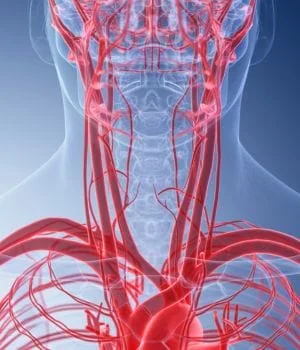
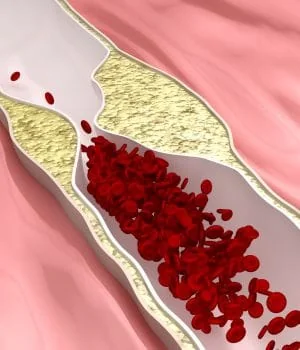
Carotid endarterectomy (CEA) is an operation on the carotid artery, one of two large arteries in the neck that carry blood to the brain. Over time, plaque can build up inside the artery and narrow it. Pieces of plaque or small clots can break off and travel to the brain, causing a stroke or a mini-stroke. In CEA, the surgeon removes the plaque.
Who is it for?
CEA may be an option if you have a narrowed carotid artery found on ultrasound or another scan, especially if you have had a stroke or a mini-stroke on that side. It may also be considered when the narrowing is severe and you have no symptoms. Not everyone with plaque needs surgery. Many people are treated with medicine and lifestyle changes alone.
See our page on carotid artery disease.
How does the procedure work?
- Preparation. You receive anesthesia. Your heart and blood pressure are monitored.
- Small incision. The surgeon makes a cut along the neck over the artery.
- Opening the artery. Blood flow is controlled, often with a temporary bypass tube. The artery is opened, and the plaque is carefully removed.
- Closing. The artery is closed with stitches or a patch. Blood flow is restored.
- Recovery. You are watched closely for a time after surgery.
What does it feel like?
You are asleep, or the area is numbed. Afterward, you can have a sore, stiff neck, a sore throat, and some numbness near the cut. Pain medicine and rest help.
What can I expect afterward?
Many people stay in the hospital for a short time. You will get written instructions for activity, driving, and wound care. Light activity is usually allowed within days, with heavy lifting limited for a few weeks. Keep taking medicines for blood pressure, cholesterol, and blood thinning as prescribed. These protect your arteries. You will have follow-up ultrasound visits.
What are the risks?
CEA is common and often effective, but there are risks, including:
- Stroke or mini-stroke
- Bleeding or swelling in the neck
- Injury to nerves in the neck, which can affect the voice, swallowing, or face
- Heart attack or heart rhythm problems
- Infection
- The artery narrowing again later
Dr. Rema Malik will go through these with you.
Call 911 for sudden face drooping, arm weakness, speech trouble, or vision loss. Do not wait.
How is it different from other options?
- Medicine and lifestyle lower risk for many people and are part of every plan.
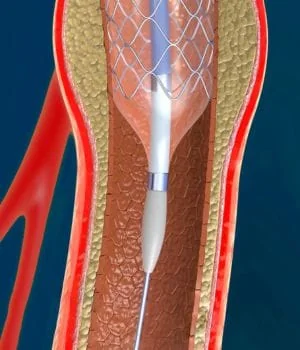
- TCAR places a stent in the artery through a small cut near the collarbone. See our TCAR page.
- CEA removes the plaque itself. Which is better depends on your health and anatomy.
What happens before you decide?
You start with a visit, an exam, and a carotid ultrasound. You leave knowing what your artery looks like, whether you need a procedure, and which type fits you best. You do not need a referral.
Conditions this treats
Frequently asked questions
Still have a question?
Our team answers the phone Monday to Friday, 8 AM to 5 PM.
Who needs a carotid endarterectomy?
People whose carotid artery is narrowed enough to raise stroke risk, especially after a stroke or mini-stroke on that side. Dr. Rema Malik uses ultrasound and your history to decide.
Is CEA safer than stenting?
Both are used to lower stroke risk, and the best choice depends on your health, your anatomy, and your risk with each approach. Dr. Rema Malik will compare them with you. See our TCAR page for the stent option.
How long is the hospital stay?
Many people stay a short time for monitoring. Your care team will tell you what to expect.
What are the main risks?
Stroke, bleeding, nerve injury in the neck, heart problems, and infection. Dr. Rema Malik will go through them with you before surgery.
Do I need a referral?
No. You can call and schedule a visit directly.
Will insurance cover it?
Many plans cover CEA when it is medically needed. Coverage differs by plan. We can explain what to expect after your visit.
Not ready to book? Get the monthly newsletter.
Plain-language vein and vascular guidance from Dr. Malik, once a month.
Ready to talk to a vascular surgeon?
Same-week appointments. No referral needed. Most insurance accepted.