
DVT Treatment in Sugar Land, TX
A blood clot in a deep leg vein needs prompt, careful care. Here is how DVT is found and treated, and when to get help right away.
Quick answer
Deep vein thrombosis (DVT) is a blood clot in a deep vein, most often in the leg. It can cause swelling and pain, and about half of people have no symptoms. The main danger is a clot that travels to the lungs, called a pulmonary embolism, which is an emergency. A suspected new clot needs an emergency room today.
- A suspected new clot needs an emergency room first, not an office visit
- Duplex ultrasound shows the clot, with no needles
- Blood thinners are the main treatment, and follow-up care protects the leg
Facts to know
900,000
people in the United States are affected by a blood clot each year, at most. CDC, Data and Statistics on Venous Thromboembolism
About half
of people with DVT have no symptoms at all. CDC, About Venous Thromboembolism
1/3 to 1/2
of people who have had a DVT have long-term leg problems, called post-thrombotic syndrome. CDC, Data and Statistics on Venous Thromboembolism
About 1 in 3
people with a blood clot have another within 10 years. CDC, Data and Statistics on Venous Thromboembolism
What is deep vein thrombosis?
Deep vein thrombosis (DVT) is a blood clot in a deep vein, most often in the leg. The clot can block blood flow and cause swelling and pain. The main danger is that part of the clot can break loose, travel to the lungs, and cause a pulmonary embolism, which is a medical emergency.
DVT can be treated, and the earlier it is found, the better.
Why does a clot form?
A clot is more likely when blood flow slows, when the vein wall is hurt, or when the blood clots more easily than usual. Common risk factors include:
- Recent surgery or a hospital stay
- Being unable to move for long periods, including after an injury
- A past DVT or a family history of clots
- Cancer and some cancer treatments
- Pregnancy and the weeks after delivery
- Medicines that contain estrogen
- Age
- Some inherited clotting conditions
More than one can be at work at the same time. Almost anyone can get a DVT, so do not assume you are safe because none of these apply.
What are the signs of a DVT?
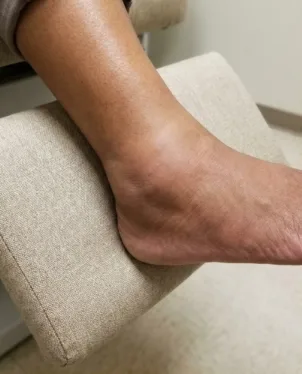
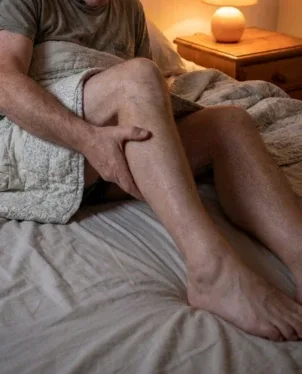
Many people notice swelling in one leg, pain or tenderness in the calf or thigh, a warm area on the leg, or red or discolored skin. About half of people with DVT have no symptoms, so risk factors matter too.
Get same-day care for these signs. Do not wait for a routine appointment. Go to an emergency room. If you have chest pain, sudden shortness of breath, a racing heart, fainting, or you cough up blood, call 911.
When should I see a vascular surgeon?
A suspected new clot is not a reason to book an office visit. Go to an emergency room today. A vascular surgeon is the right next step for:
- follow-up after a DVT,
- leg swelling, aching, or skin changes that continue after a clot,
- questions about your vein health after treatment, or
- risk planning before surgery, travel, or pregnancy if you have had a clot.
You do not need a referral for follow-up care.
How is DVT diagnosed?
The key test is a duplex ultrasound, a scan with no needles that uses sound waves to show the vein and whether blood is flowing through it. Your doctor may also order blood tests. Ultrasound is also used after treatment to check how the clot is responding.
An emergency room can run these tests quickly. A same-week office appointment is not the right first step for a suspected new clot.
How is DVT treated?
The main treatment is a blood thinner (anticoagulant). It does not dissolve the clot directly. It stops the clot from growing and lowers the chance of new clots while your body clears the existing one. Your doctor chooses the medicine and how long you will take it, based on your situation.
In selected cases, other treatments or procedures are considered. Compression stockings may be recommended to ease swelling. If you are treated for a DVT, you will be told how to take your medicine safely and which warning signs to watch for.
What if I do not, or cannot, get treated?
An untreated DVT can grow, and a piece can break loose and travel to the lungs. That is a pulmonary embolism. It can be life-threatening, which is why a suspected clot needs care the same day.
Some people cannot take a blood thinner in the usual way, for example because of active bleeding, a recent major operation, or a bleeding disorder. If that is you, your treating doctors will weigh the options and watch you closely. Do not stop or skip a blood thinner on your own. Call the doctor who prescribed it first.
What can I expect after treatment?
How long you stay in care and how long you take a blood thinner depend on your situation, and your treating doctor decides both. Swelling and soreness often ease over time. You will be told which warning signs to watch for, such as a leg that swells again or any chest pain or shortness of breath.
After a DVT, a vascular surgeon can help with follow-up care. This may include checking that the clot is resolving, looking at the health of your leg veins, and managing long-term leg swelling or aching if it develops. Some people develop post-thrombotic syndrome, which causes lasting swelling, heaviness, or skin changes. Compression and vein care can help. See our page on chronic venous insufficiency.
Myths and facts
| Myth | Fact |
|---|---|
| A DVT always hurts. | About half of people with DVT have no symptoms. |
| Only older or bedridden people get clots. | Almost anyone can. Surgery, injury, pregnancy, and long trips raise the risk at any age. |
| Massaging a sore calf is safe. | Do not rub a leg you think may have a clot. Get checked first. |
| A blood thinner dissolves the clot at once. | It stops the clot from growing while your body clears it over time. |
| Once treated, a DVT is over. | Some people have lasting swelling, and clots can return. Follow-up matters. |
Does insurance cover DVT care?
Emergency care for a suspected clot is covered under most plans. Coverage for follow-up visits and ultrasound varies by plan. After your visit, our team can explain what is likely to be covered and what is not.
Can I lower my risk of another clot?
Ask your doctor about a plan that fits you. In general, staying active, avoiding long periods of sitting or lying still, staying hydrated, and following your medicine plan are important. Talk with your doctor before long trips, surgery, or pregnancy.
What happens at the first visit?
For follow-up care, you talk with Dr. Rema Malik about your history, your symptoms, and the medicines you take. She examines your legs, and an ultrasound can be used to look at your veins. You leave with a plan for follow-up and for lowering your risk. Use the form at the bottom of this page, or call us. If you think you have a new clot, go to an emergency room first.
What happens if a DVT is not treated?
A clot can stay small or it can grow. These are the steps it can follow, which is why a suspected clot needs care the same day.
A clot forms
Blood slows in a deep vein and clots. Swelling and pain may start in one leg, or there may be no signs.
The clot grows
Without a blood thinner, the clot can grow along the vein and block more blood flow.
A piece breaks loose
A fragment can travel to the lungs. This is a pulmonary embolism, and it is an emergency.
Long-term leg problems
Valves in the vein can be damaged. Swelling, heaviness, or skin changes can last.
Treatment lowers these risks. If you think you may have a clot, go to an emergency room today. Call 911 for chest pain, sudden trouble breathing, fainting, or coughing up blood.
Signs you may have it
Swelling in one leg
One leg, or one part of a leg, looks puffier than the other.
Pain or tenderness
A cramp or ache in the calf or thigh that does not ease with rest.
Warm, red, or discolored skin
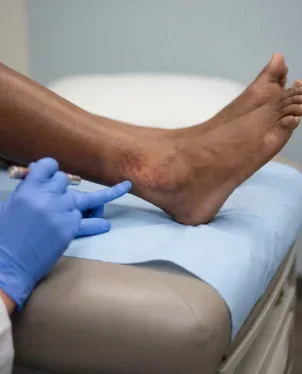
The swollen area can feel warm and look red or darker than the other leg.
- Swelling in one leg, or one part of a leg
- Pain, tenderness, or cramping in the calf or thigh
- Warmth over the swollen area
- Red or discolored skin on the leg
- Sometimes, no symptoms at all
How we diagnose it
- A leg exam and a review of your risk factors
- Duplex ultrasound, which shows whether a clot is in the vein
- Blood tests when your doctor needs them
- Follow-up ultrasound to check that treatment is working
Treatments in detail
Related conditions
Sources and further reading
These sources support the figures on this page. Your own numbers can differ, and only an exam and an ultrasound can tell you where you stand.
Frequently asked questions
Still have a question?
Our team answers the phone Monday to Friday, 8 AM to 5 PM.
What are the warning signs of a DVT?
The most common signs are swelling in one leg, pain or tenderness in the calf or thigh, warmth, and red or discolored skin. Some people have no symptoms. If you notice these signs, go to an emergency room today.
What is the difference between DVT and a pulmonary embolism?
A DVT is a clot in a deep vein, usually in the leg. A pulmonary embolism (PE) happens when part of a clot breaks off and travels to the lungs. PE is an emergency. Chest pain, shortness of breath, and coughing up blood are warning signs.
How is a DVT treated?
The main treatment is a blood thinner (anticoagulant), which keeps the clot from growing and helps prevent new ones. Your doctor decides the medicine and how long you need it. Some people need other treatments or closer follow-up.
Can I walk with a DVT?
Many people are encouraged to stay active once treatment has started, but only follow the advice of the doctor treating you. Do not exercise on a leg you think may have a clot until you have been evaluated.
Can a DVT cause lasting leg problems?
Some people develop long-term swelling, aching, or skin changes in the leg after a DVT, called post-thrombotic syndrome. Follow-up care and compression can help manage it.
Can I have a DVT without knowing it?
Yes. About half of people with DVT have no symptoms. That is why risk factors matter, such as recent surgery, long periods of not moving, pregnancy, and a past clot.
Can a DVT come back?
It can. About one in three people with a blood clot have another within 10 years. Taking your medicine as directed and keeping up follow-up visits lowers the chance.
Do I need a referral?
For follow-up and long-term vein care, no referral is needed. For a suspected new clot, go to the emergency room first.
Not ready to book? Get the monthly newsletter.
Plain-language vein and vascular guidance from Dr. Malik, once a month.
Ready to talk to Dr. Rema Malik?
Tell us how to reach you. A team member calls to find a time that works. No referral needed.
- Same-week appointments are typically available
- On-site ultrasound, so you can leave with answers
- Most insurance accepted. Our team checks coverage first
Request an appointment
Takes about a minute. We call you back.