
Thrombectomy for Blood Clots in Sugar Land, TX
Removing a blood clot from a vein or artery to restore blood flow, using a catheter or surgery.
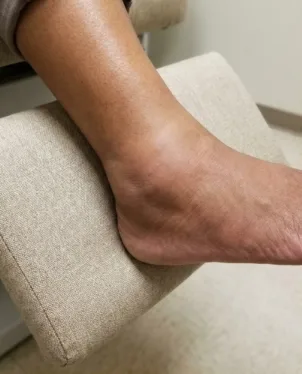


At a glance
- Typical time
- Varies with the type and size of the clot
- Downtime
- Varies. Many people stay in the hospital for monitoring first
- Anesthesia
- Local with sedation, regional, or general, chosen with your care team
Quick answer
Thrombectomy is a procedure to remove a blood clot from a vein or artery. A thin catheter is guided to the clot, and the clot is removed or suctioned out. In some cases, surgeons use open surgery. It is used when a clot threatens blood flow, and a blood thinner alone may not be enough.
- Removes the clot, so blood can flow again
- Often done with a catheter, through a small opening
- Not needed for every clot. Many are treated with blood thinners
What is a thrombectomy?
A thrombectomy is a procedure to remove a blood clot, called a thrombus, from a blood vessel. A clot can block blood flow in a vein, such as in a deep vein thrombosis, or in an artery. Removing the clot restores flow and protects the limb and the veins.
Who is it for?
A thrombectomy may be considered if:
- a large clot blocks a deep vein and causes severe swelling or pain,
- a clot suddenly blocks an artery and cuts off blood to a leg or arm,
- blood thinners alone are not enough, or are not safe, or
- a clot puts the leg’s long-term vein health at risk.
Many clots are treated with blood thinners alone. See our pages on deep vein thrombosis and pulmonary embolism.
How does the procedure work?
- Imaging. Ultrasound, CT, or X-ray with dye shows the clot.
- Access. A small opening is made in a vein or artery, often in the leg, neck, or groin.
- Reaching the clot. A thin catheter is guided to the clot under X-ray.
- Removing the clot. The clot is suctioned out or pulled out with a small device. Sometimes clot-dissolving medicine is also given through the catheter.
- Checking. Imaging confirms that blood flows again. A stent or balloon may be used if a narrowing is found.
- Closing. The opening is closed and pressure is held.
In some cases, an open surgical approach is used instead.
What does it feel like?
You are asleep or comfortably sedated. Afterward, the access site can be sore and bruised.
What can I expect afterward?
Many people stay in the hospital for monitoring. You will almost always take blood thinners for a period afterward, to keep a new clot from forming. You will get written instructions for activity, compression stockings, and follow-up ultrasound. Call us or go to an emergency room if your leg swells or hurts suddenly again.
What are the risks?
Thrombectomy is a common vascular procedure, but there are risks, including:
- Bleeding, especially with blood thinners
- Injury to the vessel
- The clot coming back, or breaking free and traveling to the lungs
- Kidney problems from dye
- Infection
Dr. Rema Malik will go through these with you.
Call 911 for chest pain or sudden trouble breathing. Go to an emergency room today if a leg or arm suddenly turns cold, pale, or numb, or swells and hurts.
How is it different from other options?
- Blood thinners stop a clot from growing and let the body break it down. Most clots are treated this way.
- Clot-dissolving medicine breaks down the clot through a catheter.
- Thrombectomy physically removes it. It is used when flow or the limb is at risk.
What happens before you decide?
You start with a visit, an exam, and an ultrasound. You leave knowing where your clot is, how serious it is, and which care fits. You do not need a referral, except in an emergency, where you go to the hospital.
Conditions this treats
Frequently asked questions
Still have a question?
Our team answers the phone Monday to Friday, 8 AM to 5 PM.
When is a thrombectomy needed?
When a clot blocks a large vein or an artery, and blood flow is at risk, or when blood thinners alone are not enough or not safe. Many clots are treated with blood thinners alone.
What is the difference between thrombectomy and clot-dissolving medicine?
Thrombectomy physically removes or suctions the clot. Clot-dissolving medicine, called thrombolysis, is given through a catheter to break it down. Some people have both. Your care team chooses.
Is thrombectomy an emergency procedure?
It can be. A clot that suddenly cuts off blood to a leg or arm, or that fills a large vein, needs urgent care. Go to an emergency room.
What are the main risks?
Bleeding, injury to the vessel, the clot returning, and infection. Dr. Rema Malik will go through them with you.
Do I need a referral?
For ongoing care, no. For a suspected emergency clot, go to the emergency room.
Will insurance cover it?
Many plans cover thrombectomy when it is medically needed. Coverage differs by plan. We can explain what to expect after your visit.
Not ready to book? Get the monthly newsletter.
Plain-language vein and vascular guidance from Dr. Malik, once a month.
Ready to talk to a vascular surgeon?
Same-week appointments. No referral needed. Most insurance accepted.