
Thromboendarterectomy for Blocked Arteries in Sugar Land, TX
Surgery to clean plaque and clot out of a blocked artery, most often in the leg, to restore blood flow.

At a glance
- Typical time
- Varies with the artery and the work needed
- Downtime
- A hospital stay is common, followed by weeks of recovery
- Anesthesia
- General or regional anesthesia, chosen with your care team
Quick answer
Thromboendarterectomy is surgery to remove plaque and clot from inside a blocked artery. It is often used in the leg arteries, such as the groin. The surgeon opens the artery, cleans it out, and closes it, often with a patch. It is used when a blockage limits blood flow and other options do not fit.
- Open surgery to clean plaque and clot out of an artery
- Often used in the groin and leg arteries
- Chosen when a stent or balloon does not fit
What is a thromboendarterectomy?
Thromboendarterectomy is an operation that cleans plaque and clot out of a blocked artery. The surgeon opens the artery, removes the build-up from inside the wall, and closes the artery. A patch is often sewn in so the artery stays wide. Blood then flows freely again.
Who is it for?
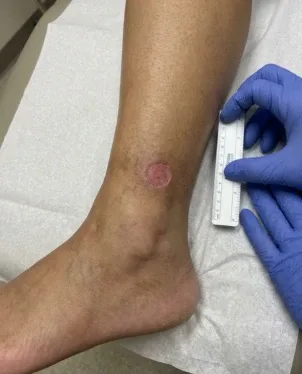
It may be an option if you have blocked or very narrowed arteries, most often in the groin and leg, that cause leg pain when walking, pain at rest, or wounds that will not heal, and a stent or balloon does not fit your blockage. It is also used in a few other arteries, chosen case by case.
See our pages on peripheral artery disease and atherosclerosis.
How does the procedure work?
- Planning. Ultrasound, CT, or angiography maps the blockage.
- Access. The surgeon makes a cut over the artery, often in the groin.
- Opening the artery. Blood flow is controlled and the artery is opened.
- Cleaning out. Plaque and clot are carefully removed.
- Closing. The artery is closed, often with a patch. Flow is checked.
- Closing the cut. The cut is closed in layers.
What does it feel like?
You are asleep, or numbed from the waist down. Afterward, the cut will be sore, and the leg may be swollen for a time.
What can I expect afterward?
Many people stay in the hospital for a few days. You will get written instructions for wound care, walking, and activity. Walking is encouraged. You will take medicines such as blood thinners and cholesterol medicine, and have follow-up checks of the artery.
What are the risks?
Thromboendarterectomy is a major operation. Risks include:
- Bleeding or infection at the cut
- The artery narrowing or clotting again
- Nerve injury or numbness near the cut
- Heart problems or stroke
- A need for another procedure
Dr. Rema Malik will go through these with you.
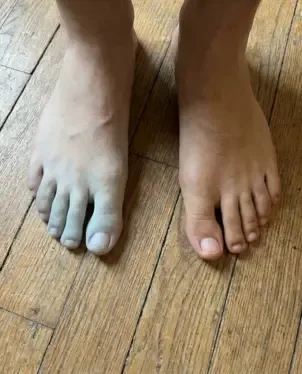
Go to an emergency room today if your leg or foot suddenly turns cold, pale, numb, or very painful. Call 911 for chest pain or sudden trouble breathing.
How is it different from other options?
- Medicine and walking programs help many people and are part of every plan.
- Angioplasty and stenting open the artery from inside through a small opening, and suit many blockages.
- Bypass reroutes blood around the blockage.
- Thromboendarterectomy cleans out the artery itself, and fits blockages that other options do not.
What happens before you decide?
You start with a visit, an exam, and an ultrasound or other imaging. You leave knowing where your blockage is, and which treatment, if any, fits. You do not need a referral.
Conditions this treats
Frequently asked questions
Still have a question?
Our team answers the phone Monday to Friday, 8 AM to 5 PM.
What is the difference between thromboendarterectomy and endarterectomy?
Endarterectomy removes plaque from inside an artery. Thromboendarterectomy also removes clot. They are often done together on a blocked artery.
When is it used instead of a stent?
When the blockage is long, heavily calcified, or in a place where a stent does not hold well. Dr. Rema Malik will review your imaging and your health to choose.
How long is recovery?
A hospital stay is common, followed by weeks of limited activity. Your care team will give you a plan.
What are the main risks?
Bleeding, infection, the artery narrowing or clotting again, and heart problems. Dr. Rema Malik will go through them with you.
Do I need a referral?
No. You can call and schedule a visit directly.
Will insurance cover it?
Many plans cover it when it is medically needed. Coverage differs by plan. We can explain what to expect after your visit.
Not ready to book? Get the monthly newsletter.
Plain-language vein and vascular guidance from Dr. Malik, once a month.
Ready to talk to a vascular surgeon?
Same-week appointments. No referral needed. Most insurance accepted.