Thoracic Outlet Syndrome Evaluation in Sugar Land, TX
Arm pain, tingling, or swelling can come from pressure on nerves or blood vessels near the collarbone. A vascular exam finds out which.
Quick answer
Thoracic outlet syndrome (TOS) happens when nerves or blood vessels are squeezed in the narrow space between the collarbone and the first rib. It can cause arm and hand pain, tingling, weakness, or swelling and color changes. The type depends on what is squeezed. A vascular surgeon treats the vein and artery types.
- Pressure near the collarbone and first rib
- Three types, nerve, vein, and artery
- Vein and artery types can be urgent
What is thoracic outlet syndrome?
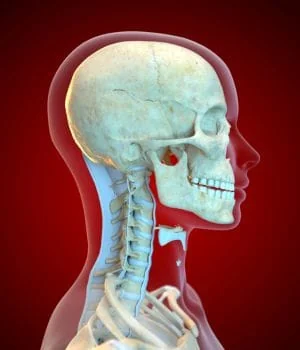
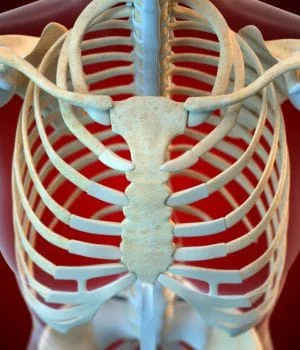
The thoracic outlet is the narrow space between your collarbone and your first rib. Nerves, an artery, and a vein pass through it on the way to your arm. When something squeezes that space, you can have thoracic outlet syndrome (TOS).
What are the types?
- Neurogenic TOS. Nerves are squeezed. It is the most common type. It causes pain, tingling, and weakness in the arm or hand.
- Venous TOS. The vein is squeezed. It can cause arm swelling and a bluish color, and sometimes a blood clot.
- Arterial TOS. The artery is squeezed. It is rarer, and can cause a cold, pale hand, pain, or a damaged artery.
Why does it happen?
TOS can come from:
- an extra rib at the neck, or a tight band of tissue, present from birth,
- an injury, such as a car crash or fall,
- repeated overhead arm use, as in some sports and jobs,
- tight or enlarged neck and chest muscles, or
- poor posture, or weight gain.
When should I see a vascular surgeon?
Consider a visit if you have arm pain, tingling, or swelling that does not go away, or a hand that goes cold or changes color. You do not need a referral.
Go to an emergency room today for sudden arm swelling, a cold, pale, or blue hand, or severe arm pain. Call 911 for chest pain or sudden trouble breathing.
How is it evaluated and treated?
Dr. Rema Malik examines your neck, shoulders, arms, and pulses, and may use ultrasound with your arms in different positions. CT, MRI, or X-ray with dye may be needed.
- Physical therapy and posture changes help many people, especially with the nerve type.
- Clot care. A clot in the arm vein needs prompt treatment. See our page on thrombectomy.
- Surgery. In some people, surgery can give the vessels and nerves more room, by removing a rib or muscle that is pressing on them. Dr. Rema Malik will tell you if it fits.
What if I do not, or cannot, get treated?
Mild nerve TOS may improve on its own or with therapy. Venous and arterial TOS can lead to clots or lasting damage, so do not wait on them. Some people cannot have surgery because of other health problems. Then the focus is on therapy, medicine, and watching for changes. You can reconsider treatment at any time.
What can I expect after treatment?
Recovery depends on the treatment. Therapy takes weeks to months. After surgery, you will have limits on lifting and arm use for a time, with therapy to follow. Your care team gives written instructions.
Myths and facts
| Myth | Fact |
|---|---|
| Arm tingling is always a pinched nerve in the neck. | It can also come from the space near the collarbone. |
| TOS is rare and not serious. | The vein and artery types can cause clots and damage. |
| Rest fixes it. | Mild cases improve with therapy. Others need more. |
| It only affects athletes. | Anyone can have it. |
Does insurance cover evaluation and treatment?
Many plans cover exams, imaging, and treatment when symptoms are documented. Coverage differs by plan. After your visit, our team can explain what is likely to be covered.
What happens at the first visit?
You talk with Dr. Rema Malik about your symptoms, your work, and your sports. She examines your neck, arms, and pulses, and an ultrasound can often be done the same day. You leave with a plan. Use the form at the bottom of this page, or call us.
What happens if thoracic outlet syndrome is not treated?
Nerve TOS often improves with therapy. The vein and artery types are different, because a clot can form.
Mild arm symptoms
Aching, tingling, or tired arms, especially overhead or with carrying.
Symptoms that stay
Numbness, weak grip, or pain that does not ease with rest.
A clot or damaged vessel
Sudden arm swelling, blue color, or pain can mean a clot in the vein or artery.
Lasting harm
Long-term nerve or blood vessel damage if serious TOS is missed.
Sudden arm swelling, a cold, pale, or blue hand, or severe arm pain needs emergency care today.
Signs you may have it
- Pain in the neck, shoulder, arm, or hand
- Tingling or numbness in the arm or fingers
- A weak grip or clumsy hand
- Arm swelling, or a blue or purple tint to the arm
- A cold, pale hand, or a weak pulse in the arm
- Symptoms that are worse with arms overhead or after repeated arm use
How we diagnose it
- A history of your symptoms, work, and sports
- An exam of the neck, shoulders, arms, and pulses
- Ultrasound of the arm veins and arteries, sometimes with arm position changes
- CT, MRI, or X-ray with dye if needed
- No referral needed. Same-week appointments are typically available
Treatments in detail
Related conditions
Frequently asked questions
Still have a question?
Our team answers the phone Monday to Friday, 8 AM to 5 PM.
What are the types of thoracic outlet syndrome?
Neurogenic TOS involves the nerves and is the most common. Venous TOS involves the vein under the collarbone. Arterial TOS involves the artery. A vascular surgeon treats the venous and arterial types.
What causes it?
A neck rib or tight muscles, an injury such as whiplash, repeated overhead arm use, or poor posture can narrow the space. Some people are born with the extra rib or band.
How is it treated?
Mild cases often improve with physical therapy and posture changes. Blood clots need prompt treatment. Some people need surgery to give the vessels or nerves more room. Dr. Rema Malik will go over the options.
Is TOS an emergency?
Sudden arm swelling, a cold, pale, or blue hand, or severe pain can be. Go to an emergency room today.
Do I need a referral?
No. You can call and schedule a visit directly.
Not ready to book? Get the monthly newsletter.
Plain-language vein and vascular guidance from Dr. Malik, once a month.
Ready to talk to Dr. Rema Malik?
Tell us how to reach you. A team member calls to find a time that works. No referral needed.
- Same-week appointments are typically available
- On-site ultrasound, so you can leave with answers
- Most insurance accepted. Our team checks coverage first
Request an appointment
Takes about a minute. We call you back.