
Non-Healing Leg Wound Treatment in Sugar Land, TX
A sore on your leg or foot that has not healed in a few weeks is often a circulation problem. We look for the cause and treat it.
Quick answer
A leg or foot sore that is still open after about two to four weeks, or that keeps coming back, is often a circulation problem. Leaking veins, narrowed arteries, or both can keep it from healing. Treating the wound alone may not be enough. Finding and treating the cause gives it the best chance.
- Arteries are checked first, so treatment and compression are safe
- On-site ultrasound shows whether arteries, veins, or both are involved
- No referral needed. If a wound looks infected, get urgent care first
Facts to know
60–80%
of chronic leg ulcers are caused by vein disease. Published reviews of chronic venous disease
1–2%
of adults have a venous leg ulcer, rising to about 3% after age 65. StatPearls clinical summary
21% vs 46%
had an ulcer come back within six months, with compression stockings vs without, in one trial of 153 people. Cochrane review, Compression for preventing recurrence of venous ulcers
Up to 4 in 10
people with PAD have no leg pain, so a sore may be the first sign. CDC
When is a leg wound a circulation problem?
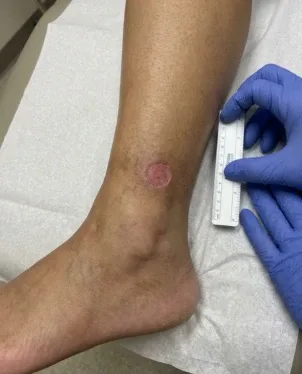
Most small cuts and scrapes heal in a couple of weeks. A leg or foot wound that is still open after about two to four weeks, or that heals and keeps reopening, deserves a closer look. Often the cause is poor blood flow: either arteries that are too narrow to bring blood in, or veins that cannot carry it back out.
Finding the cause matters. A wound treated only at the surface may keep returning if the circulation problem behind it is not addressed.
Why does it happen?
There are three common causes, and they can overlap:
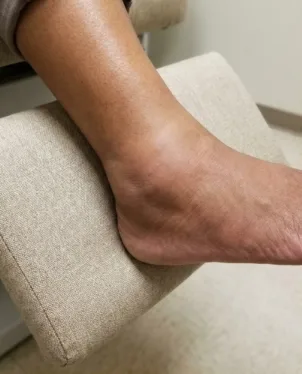
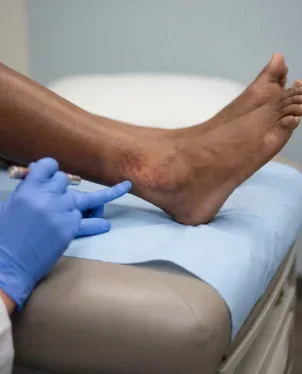
- Venous ulcers. Leaking veins let blood pool in the lower leg. The pressure damages the skin, often near the inner ankle. The area may be swollen, darker, and itchy.
- Arterial ulcers. Narrowed arteries (peripheral artery disease) do not deliver enough blood. These sores often appear on the toes, heels, or the front of the lower leg and can be painful, especially at night.
- Diabetic foot ulcers. Diabetes can damage nerves and blood vessels. You may not feel an injury, and healing is slow.
Other things slow healing: smoking, swelling, infection, poor nutrition, and pressure on one spot.
Why it should not wait
A wound that does not get enough blood cannot heal, and it is more likely to become infected. In serious cases, tissue can be lost and the limb can be at risk. Early treatment of the circulation problem gives the wound the best chance and is a core part of limb preservation.
When should I see a vascular surgeon?
Make an appointment for any leg or foot sore that has not improved in a few weeks, any wound that keeps coming back, or foot pain at rest or at night. People with diabetes, a history of smoking, or known artery disease should not wait. You do not need a referral.
Get urgent care the same day if you have a fever, or if a wound has spreading redness, swelling, pus, or a bad smell, or if skin around it turns black. Call 911 if a leg suddenly turns cold, pale, or numb.
How do we find the cause?
Dr. Rema Malik examines the wound and your leg, checks your pulses, and tests your circulation. An ankle-brachial index and on-site duplex ultrasound show how blood moves through your arteries and veins. Checking the arteries first matters, because it decides which treatments are safe, including compression.
How are non-healing wounds treated?
The plan treats the cause and cares for the wound together.
- If the cause is veins: compression, once arterial flow is confirmed adequate, and treating the leaking vein, for example with radiofrequency ablation, to lower pressure in the lower leg.
- If the cause is arteries: restoring blood flow, for example with angioplasty and stenting, or other options when a catheter approach is not suitable.
- For the wound itself: cleaning and dressing, and offloading or protecting the area, with wound care coordinated with your other doctors.
The right mix depends on what the tests show. Dr. Rema Malik will explain the options and what to expect.
What if I do not, or cannot, get treated?
A wound with poor blood flow rarely heals well on its own. It may stall, grow, or become infected. In serious cases, tissue can be lost. Venous ulcers often return when the vein is not treated.
Some people cannot have a procedure right away. Examples include:
- An active infection. It is treated first.
- A recent blood clot in a leg vein. The clot is treated first.
- Other health problems. Heart, lung, or kidney conditions may change the timing, and Dr. Rema Malik will weigh them with you.
- Arteries too narrow for compression. Compression is held until blood flow is restored.
If treatment is not possible or not your choice, keep the wound clean and covered, check your feet and legs every day, keep your legs raised when resting, do not smoke, and keep blood sugar in range. You can reconsider treatment at any time.
What can I expect after treatment?
Healing takes time. After vein or artery treatment, a wound often improves over weeks to months, and the pace depends on the wound size and your overall health. Most vein procedures and angioplasty need only a short recovery, with written instructions on activity, dressings, and compression. Results differ from person to person. Expect follow-up visits to check both the wound and the circulation. Call us for new redness, pus, fever, or a leg that turns cold or pale.
Myths and facts
| Myth | Fact |
|---|---|
| A wound that will not heal needs a stronger cream. | The cause is usually blood flow. Creams do not fix that. |
| Compression is safe for every leg sore. | It can harm narrowed arteries. Circulation is checked first. |
| If it does not hurt, it is not serious. | With diabetes or nerve damage, you may not feel it. |
| Once closed, the sore is cured. | Venous ulcers often return unless the vein is treated. |
| Covering a wound tightly and leaving it is best. | A stalled wound needs a look and a plan. |
Does insurance cover wound and circulation care?
Evaluation of a non-healing wound, including circulation tests and treatment of the arteries or veins behind it, is medical care, and many plans cover it. Coverage differs by plan. After your visit, our team can explain what is likely to be covered and what is not.
What happens at the first visit?
You talk with Dr. Rema Malik about the wound, how long it has been open, and your health. She examines the wound, your legs, and your pulses. An ankle-brachial index and on-site duplex ultrasound are often done at the clinic the same day. You leave with a plan that treats the cause and cares for the wound. Bring a list of your medicines. If your wound looks infected, do not wait for an appointment. Use the form at the bottom of this page, or call us.
What happens if a leg wound is not treated?
A wound with poor blood flow cannot heal well. These are the steps to watch for.
A sore that stalls
It does not improve in two to four weeks, or it heals and reopens.
A slow, deeper wound
The sore gets larger or deeper. Drainage and pain increase.
Infection
Spreading redness, pus, a bad smell, or fever. This needs same-day care.
Tissue loss
Skin turns dark. The limb may be at risk, and urgent treatment is needed.
Early treatment of the circulation problem gives a wound the best chance and is a core part of limb preservation. Spreading redness, pus, black skin, or fever need care today.
Signs you may have it
A sore that will not close
On the ankle, foot, toes, or lower leg, still open after a few weeks.
Swelling around the sore
Often a sign that veins are leaking and pressure is high.
Darker, itchy skin
Brown, dry, or tight skin near the ankle can come before an ulcer.
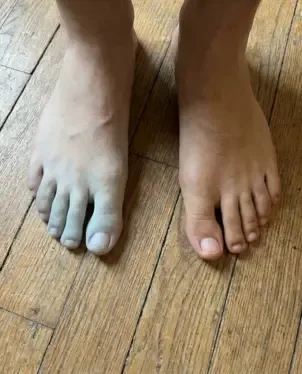
A cold or pale foot
Pain at rest or at night can mean arteries are narrowed.
- A sore on the leg, ankle, or foot that has not improved in about two to four weeks
- A wound that heals and then reopens
- Swelling, darkened skin, or itching around the sore
- A cold, pale, or shiny foot, or pain in the foot at rest or at night
- Drainage from a wound, or a wound that looks deeper over time
How we diagnose it
- A wound and leg exam, including swelling, skin, pulses, and feeling in the foot
- Circulation tests, such as ankle-brachial index and on-site duplex ultrasound
- Vein testing to see whether leaking veins are slowing healing
- A plan that treats the cause and cares for the wound together
Treatments in detail
Related conditions
Sources and further reading
These sources support the figures on this page. Your own numbers can differ, and only an exam and an ultrasound can tell you where you stand.
Frequently asked questions
Still have a question?
Our team answers the phone Monday to Friday, 8 AM to 5 PM.
How long is too long for a leg wound to heal?
A sore that has not improved in about two to four weeks, or that keeps coming back, should be checked. Poor blood flow in arteries or veins is a common reason wounds stall.
What causes leg wounds that will not heal?
The common causes are leaking leg veins (venous ulcers), narrowed leg arteries (arterial ulcers), and diabetes with nerve damage. Often more than one is involved.
Is compression safe for every leg wound?
No. Compression helps wounds caused by vein problems, but it can be harmful if the arteries are narrowed. That is why circulation is checked first.
Can a wound doctor treat this alone?
Wound care is important, but a wound that will not heal needs its cause found. A vascular surgeon looks at the arteries and veins behind the wound, so treatment is aimed at the cause and not only at the surface.
Will the wound come back after it heals?
It can. Venous ulcers often return when the leaking vein is not treated and compression is not kept up. Treating the cause and wearing compression, once your arteries are cleared, lowers that risk.
Should I bring anything to my visit?
Bring a list of your medicines, any wound care instructions you have been given, and, if you have diabetes, your recent blood sugar numbers. Wear or bring shoes you use every day.
Do I need a referral?
No. You can call and schedule a visit directly. If a wound looks infected, get urgent care first.
Not ready to book? Get the monthly newsletter.
Plain-language vein and vascular guidance from Dr. Malik, once a month.
Ready to talk to Dr. Rema Malik?
Tell us how to reach you. A team member calls to find a time that works. No referral needed.
- Same-week appointments are typically available
- On-site ultrasound, so you can leave with answers
- Most insurance accepted. Our team checks coverage first
Request an appointment
Takes about a minute. We call you back.