
Peripheral Artery Disease Treatment in Sugar Land, TX
Leg pain from narrowed arteries, evaluated with on-site duplex ultrasound and treated with minimally invasive angioplasty and stenting.
Quick answer
Peripheral artery disease (PAD) is a narrowing of the arteries that carry blood to your legs, usually from plaque buildup. Less blood reaches the leg muscles, so they hurt when you walk. PAD can also slow wound healing, and it is a sign that other arteries may be affected. It is treatable, and early care helps.
- Checked in the office with duplex ultrasound and an ankle-brachial index
- Care ranges from walking programs and medicine to angioplasty and stenting
- No referral needed, and same-week appointments are typically available
Facts to know
6.5 million
US adults aged 40 and older have PAD. CDC
Up to 4 in 10
people with PAD have no leg pain. CDC
5.9%
of US adults aged 40 and older have a low ankle-brachial index, the main test for PAD. US Preventive Services Task Force
Class 1
is the top guideline rating for supervised exercise therapy for leg pain with walking. 2024 AHA/ACC PAD guideline, as summarized in Cleveland Clinic Journal of Medicine
What is peripheral artery disease?
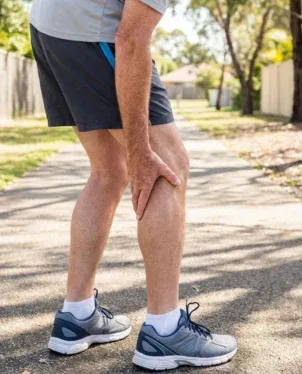
Peripheral artery disease (PAD) happens when the arteries that carry blood to your legs narrow or become blocked by plaque. Less blood reaches the leg muscles, so they hurt when you ask them to work. The classic sign is leg pain or cramping with walking that eases when you rest, called claudication.
PAD is common, and many people assume the pain is just age or arthritis. It deserves a proper look, because the same process that narrows leg arteries can narrow arteries to the heart and brain.
Why does it happen, and who is at risk?
PAD is usually caused by atherosclerosis, a slow buildup of fatty plaque inside the artery walls. Over the years the plaque narrows the artery and limits blood flow. Your risk is higher if you:
- Smoke, or used to smoke
- Have diabetes
- Have high blood pressure or high cholesterol
- Are over 50
- Have a family history of heart disease, stroke, or PAD
- Have kidney disease
Several of these often go together. You cannot change your age or your family history, but smoking, blood sugar, blood pressure, and cholesterol can all be addressed.
Why PAD matters beyond leg pain
When blood flow to the legs is low, minor cuts and sores heal slowly. In severe cases, blood flow can drop so far that tissue is at risk, and the limb may be in danger. PAD is also linked to a higher chance of heart attack and stroke, which is why a vascular evaluation looks at your whole circulation and not just your legs.
The good news is that PAD is treatable, and treatment works best when it starts early.
When should I see a vascular surgeon?
Make an appointment if you have:
- leg pain or cramping when you walk that eases with rest,
- feet that feel cold or look pale,
- numbness or weakness in a leg,
- a sore on the foot or leg that is slow to heal, or
- diabetes or a history of smoking, with any of the above.
People with diabetes or a history of smoking should be especially quick to ask, because they may feel less pain than others. You do not need a referral.
Call 911 if a leg or foot suddenly turns cold, pale, numb, or very painful, or if you cannot move it. Also call 911 for chest pain or sudden trouble speaking.
How is PAD treated?
The plan depends on how much your symptoms limit you and what the imaging shows.
Lifestyle and exercise. Stopping smoking, regular walking (often in a structured program), a heart-healthy diet, and good control of blood sugar and blood pressure can improve symptoms and slow the disease. Supervised exercise therapy is a top-rated recommendation for leg pain with walking.
Medication. Your doctor may recommend medicines that lower the risk of heart attack and stroke, such as those that help prevent clots and lower cholesterol.
Angioplasty and stenting. When a blockage is limiting blood flow, a thin catheter is guided to the narrowed area through a small puncture. A balloon widens the artery, and a stent may be placed to help keep it open. This is a minimally invasive procedure. Read more on our angioplasty and stenting page.
Surgery. In some cases, when a blockage cannot be treated through a catheter, an operation to bypass the blockage may be discussed. Dr. Rema Malik will explain the options that fit your case, including the risks and what to expect.
What if I do not, or cannot, get treated?
PAD does not clear up by itself. Without care, the plaque can keep building, walking can get shorter, and sores can take longer to heal. In severe cases, the limb is at risk. The same disease may also be at work in the arteries of the heart and brain.
Some people cannot have a procedure right away. Examples include:
- Other health problems. Heart, lung, or kidney conditions may make a procedure riskier, and Dr. Rema Malik will weigh them with you.
- Blood thinners. Medicines may need to be adjusted before a procedure.
- An active infection. The infection is treated first.
- Your own choice. You may prefer to start with walking and medicine, and that is a reasonable start for many people.
If you do not have a procedure, there is still a lot you can do. Stop smoking, walk on a regular plan, take your medicines, control blood sugar and blood pressure, and check your feet every day. You can reconsider treatment at any time.
What can I expect after treatment?
After angioplasty or stenting, many people go home the same day or the next, depending on the case. A small puncture site may be bruised or sore. Your team gives written instructions about activity, medicines, and follow-up. Many people notice they can walk farther in the following weeks, but results differ from person to person. Treated arteries can narrow again, so follow-up ultrasound checks are usually planned. Call us if a leg turns cold, pale, or numb, or if the puncture site bleeds or swells.
Myths and facts
| Myth | Fact |
|---|---|
| Leg pain when walking is just aging. | It can be PAD. A quick test shows whether blood flow is low. |
| No pain means no PAD. | Up to 4 in 10 people with PAD have no leg pain. |
| PAD only affects the legs. | The same disease can affect arteries to the heart and brain. |
| A stent fixes PAD for good. | A stent helps one blockage. Walking, medicine, and not smoking protect the rest of your arteries. |
| Rest is better than walking. | Regular walking, within your plan, often helps. Get checked first. |
Does insurance cover PAD care?
Evaluation and treatment of PAD are medical care, and many plans cover them. Coverage differs by plan and by test or procedure. After your visit, our team can explain what is likely to be covered and what is not.
What happens at the first visit?
You talk with Dr. Rema Malik about your symptoms, your history, and your risk factors, and she examines your legs and feet and checks your pulses. On-site duplex ultrasound shows how blood is flowing through your leg arteries, and an ankle-brachial index test compares blood pressure in your ankle and arm. You leave with a plan. Use the form at the bottom of this page, or call us.
What happens if peripheral artery disease is not treated?
PAD often progresses slowly. These are the steps it can follow, so you know when to be seen.
No symptoms
Arteries narrow quietly. Many people have no pain at this point.
Pain with walking
Cramping that starts at a steady distance and eases with rest. Walking gets shorter.
Pain at rest
Foot or toe pain at night, easing when the leg hangs down. Blood flow is now low.
Sores or tissue loss
A wound that will not heal, or skin that turns dark. The limb may be at risk.
Not everyone moves through every step, and treatment can slow or stop the slide. A leg that suddenly turns cold, pale, or numb is an emergency. Call 911.
Signs you may have it
Leg pain with walking
Cramping in the calf, thigh, or buttock that eases within minutes of rest.
A cold foot or leg
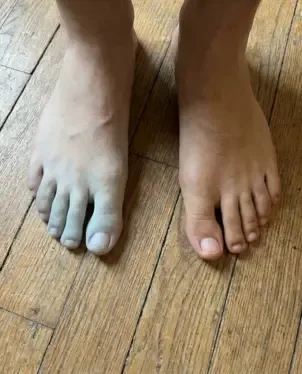
One foot that feels colder than the other, or skin that looks pale or shiny.
A sore that will not heal
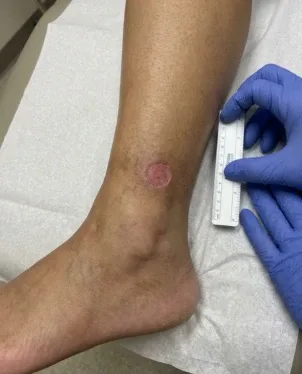
Toes, heels, or the lower leg. Less blood means slower healing.
Skin and nail changes
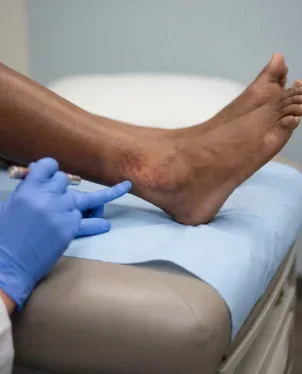
Color changes, thinner hair, or slow nail growth on the legs and feet.
- Leg pain or cramping when walking that eases with rest (claudication)
- Cold feet or legs compared with the rest of the body
- Numbness or weakness in the legs
- Slow-healing sores or wounds on the feet or legs
- Color changes in the skin of the legs or feet
- Weaker hair or nail growth on the legs and feet
How we diagnose it
- On-site duplex ultrasound to see blood flow and artery narrowing
- Ankle-brachial index testing when indicated
- No referral needed. Same-week appointments are typically available
Treatments in detail
Related conditions
Sources and further reading
These sources support the figures on this page. Your own numbers can differ, and only an exam and an ultrasound can tell you where you stand.
- Peripheral Arterial Disease, CDC
- Peripheral Artery Disease and Cardiovascular Disease: Screening and Risk Assessment With the Ankle-Brachial Index, USPSTF
- Peripheral artery disease: Putting the updated 2024 AHA/ACC guideline into practice, Cleveland Clinic Journal of Medicine
- Optimal Exercise Programs for Patients With Peripheral Artery Disease, American Heart Association Scientific Statement
Frequently asked questions
Still have a question?
Our team answers the phone Monday to Friday, 8 AM to 5 PM.
What causes peripheral artery disease?
PAD is most often caused by atherosclerosis, a buildup of plaque that narrows the arteries supplying the legs. Risk factors include smoking, diabetes, high blood pressure, and high cholesterol.
Can PAD be treated without surgery?
Many cases are managed with lifestyle changes, medication, and supervised exercise. When blockages are significant, minimally invasive angioplasty and stenting can restore blood flow.
Is PAD dangerous if left untreated?
Untreated PAD can progress to non-healing wounds and, in severe cases, threaten the limb. It also signals that arteries elsewhere, including those to the heart and brain, may be affected. Early evaluation helps catch it before it progresses.
Is leg pain when walking always PAD?
No. Nerve, spine, joint, and muscle problems can also cause leg pain with walking. An exam and ultrasound help tell them apart.
Will quitting smoking really help?
Yes. Smoking is one of the strongest drivers of PAD, and stopping is one of the most effective things you can do to slow it. Your doctor can point you to support.
Can I have PAD and feel no pain?
Yes. The CDC notes that up to 4 in 10 people with PAD have no leg pain. People with diabetes may feel less pain than others, so a check is worth it if you have risk factors.
Will I need a stent?
Not everyone. Many people start with walking, medicine, and changes to risk factors. A stent or other procedure is considered when a blockage limits blood flow and symptoms or wounds call for it. Dr. Rema Malik will go over what fits your case.
Do I need a referral?
No. You can call and schedule a visit directly.
Not ready to book? Get the monthly newsletter.
Plain-language vein and vascular guidance from Dr. Malik, once a month.
Ready to talk to Dr. Rema Malik?
Tell us how to reach you. A team member calls to find a time that works. No referral needed.
- Same-week appointments are typically available
- On-site ultrasound, so you can leave with answers
- Most insurance accepted. Our team checks coverage first
Request an appointment
Takes about a minute. We call you back.