Radiofrequency Ablation for Veins in Sugar Land, TX
A thin catheter and a short in-office procedure to close a leaking vein, so blood flows through healthier veins.
At a glance
- Typical time
- About 30 to 45 minutes per leg
- Downtime
- Most people walk right away and resume daily activity the same day
- Anesthesia
- Local anesthesia, with numbing medicine around the vein
What is radiofrequency ablation?
Radiofrequency ablation (RFA) is a minimally invasive procedure that uses heat to close a diseased vein in the leg. A thin catheter is placed in the vein under ultrasound guidance, and radiofrequency energy warms the vein wall until it seals shut. Blood then flows through healthier veins instead.
It is a standard first treatment for varicose veins and chronic venous insufficiency when ultrasound shows that a larger vein is leaking.
Who is it for?
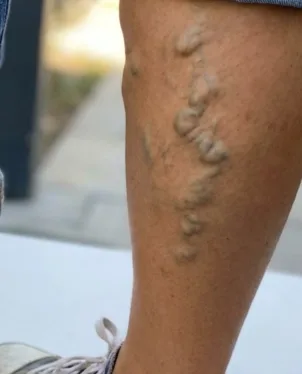
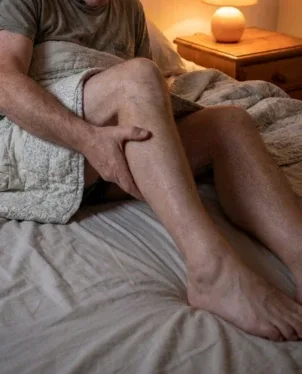
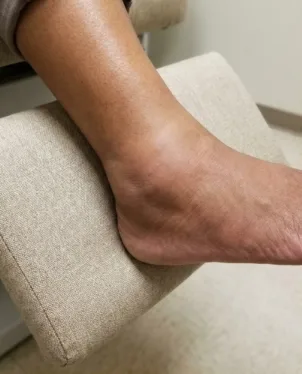
RFA may be right for you if you have aching, heaviness, swelling, skin changes, or varicose veins, and a duplex ultrasound shows reflux in a larger vein, such as the great saphenous vein. It is not used for tiny spider veins, which are treated with sclerotherapy.
Dr. Rema Malik decides whether RFA, another option, or no procedure fits your case after your exam and ultrasound.
How does the procedure work?
- Mapping. An ultrasound maps the vein so the treatment is precise.
- Numbing. The skin and the area around the vein are numbed with local anesthetic.
- Catheter placement. Through a very small opening, a thin catheter is guided into the vein under ultrasound.
- Treatment. The catheter delivers radiofrequency energy, which heats the vein wall and closes it as the catheter is withdrawn.
- Finishing. The catheter is removed, a small bandage goes on, and you may have a compression wrap or stocking.
What does it feel like?
Most patients feel a pressure or a warm sensation, and some feel mild cramping. The numbing medicine keeps the procedure itself comfortable for most people. Afterward, expect tightness, tenderness, or mild bruising along the treated vein for a short time.
What is recovery like?
Most people walk right after the procedure and return to daily activity quickly. You may be asked to wear a compression stocking for a period of time and to avoid heavy exercise for a short while. Your written instructions will fit your case. Over the following weeks, the closed vein shrinks, and symptoms usually improve.
What are the risks?
RFA is considered safe, and complications are not common, but every procedure has risks. These can include:
- Bruising, soreness, or tightness along the vein
- Skin discoloration or irritation of a nearby nerve, which can cause numbness or tingling
- Inflammation of a vein near the skin (phlebitis)
- Rarely, a blood clot in a deep vein
- Rarely, infection
- The vein not closing fully, which may need follow-up
Dr. Rema Malik will explain these in detail and answer your questions before you decide.
After a procedure, go to an emergency room today if a leg suddenly swells or becomes painful. Call 911 for chest pain or sudden trouble breathing. These can be signs of a blood clot.
How is RFA different from other options?
- Sclerotherapy uses an injection and suits smaller veins.
- Varithena foam is an injectable foam used for some veins that are hard to reach with a catheter. See our Varithena page.
- Microphlebectomy removes bulging surface veins through tiny openings and is often done alongside ablation.
Many people have more than one of these over the course of their care.
What happens before you decide?
You start with a visit, an exam, and a duplex ultrasound. You leave with a plan and a clear picture of your options, including not treating if that is appropriate. You do not need a referral.
Conditions this treats
Frequently asked questions
Still have a question?
Our team answers the phone Monday to Friday, 8 AM to 5 PM.
Is radiofrequency ablation painful?
Most patients feel pressure or mild discomfort. Numbing medicine is placed around the vein, so the procedure itself is usually well tolerated. Soreness or tightness along the vein afterward is common and settles over time.
How long does it take?
The in-office procedure typically takes about 30 to 45 minutes per leg. Plan on extra time for preparation and a short rest afterward.
Will I be put to sleep?
No. It is done with local anesthesia in the office. You stay awake and can usually walk right after.
When can I go back to normal activity?
Most patients walk right after the procedure and return to daily activity quickly. Our team will tell you when to return to harder exercise and whether to wear a compression stocking.
Does insurance cover it?
Many plans cover radiofrequency ablation when symptoms are documented and ultrasound shows reflux. Some plans ask you to try compression first. Our team checks your coverage before you schedule.
Can the vein come back?
A closed vein usually stays closed. Rarely it can reopen. New varicose veins can still develop over time, because the tendency toward weak valves remains.
Not ready to book? Get the monthly newsletter.
Plain-language vein and vascular guidance from Dr. Malik, once a month.
Ready to talk to a vascular surgeon?
Same-week appointments. No referral needed. Most insurance accepted.