Microphlebectomy for Varicose Veins in Sugar Land, TX
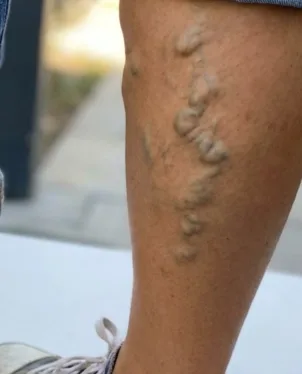
Bulging surface veins are removed through tiny openings in the skin. It is often paired with a treatment for the vein underneath.
At a glance
- Typical time
- About 30 to 60 minutes
- Downtime
- Many people return to light activity in a day or two
- Anesthesia
- Local anesthetic to numb the area
What is a microphlebectomy?
A microphlebectomy, also called an ambulatory phlebectomy, removes bulging varicose veins that sit just under the skin. Instead of a large incision, the surgeon makes tiny punctures and lifts out the vein in short pieces.
Who is it for?
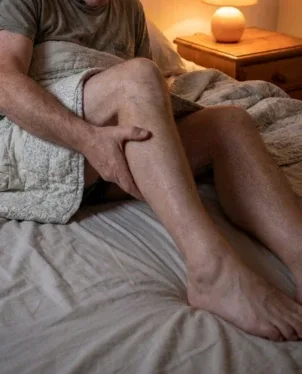
It may be an option if you have bulging surface veins that cause aching, heaviness, or a look you want treated. It is often used for the visible branch veins that remain after the main leaking vein has been treated. For the main vein, radiofrequency ablation is often used. Smaller veins may be treated with sclerotherapy.
Dr. Rema Malik decides which treatments you need after your exam and ultrasound.
How does the procedure work?
- Marking. The veins to be treated are marked while you stand, because they show best that way.
- Numbing. The skin and the tissue around the vein are numbed with local anesthetic.
- Removal. Tiny punctures are made, and the vein is lifted out with a fine hook.
- Compression. A wrap or stocking goes on afterward, and you are encouraged to walk.
What does it feel like?
The area is numb, so most people feel pressure and tugging, not sharp pain. Afterward you may feel soreness. Bruising is common.
What is recovery like?
Many people return to light daily activity in a day or two. You wear compression for the time your team advises, and you avoid hard exercise at first. Bruising and tenderness fade over days to weeks.
What are the risks?
Risks can include bruising, soreness, small scars, skin color changes, numbness near the treated area, infection, and, rarely, a blood clot. Dr. Rema Malik will go over the risks with you.
After a procedure, go to an emergency room today if a leg suddenly swells or becomes painful. Call 911 for chest pain or sudden trouble breathing. These can be signs of a blood clot.
When should I see a vascular surgeon?
See a surgeon if bulging veins cause aching, swelling, or skin changes, or if you want to know which treatment fits. You do not need a referral.
Call us at the number on this page to request a visit.
Conditions this treats
Frequently asked questions
Still have a question?
Our team answers the phone Monday to Friday, 8 AM to 5 PM.
What is a microphlebectomy?
It is a procedure that removes bulging varicose veins close to the surface of the skin. The surgeon makes very small punctures and lifts the vein out with a fine hook. The openings are so small that stitches are usually not needed.
Will I need other treatment too?
Often, yes. Surface veins usually bulge because a deeper vein is leaking. Treating that deeper vein, for example with radiofrequency ablation, helps the result last. Your ultrasound shows whether it is needed.
Is it painful?
The area is numbed, so most people feel pressure rather than sharp pain. Soreness and bruising afterward are common and settle over days to weeks.
Will it leave scars?
The punctures are tiny and usually fade. Some people have small marks. Dr. Rema Malik can tell you what to expect.
Do I need compression afterward?
Usually yes. A compression wrap or stocking helps reduce bruising and swelling. Our team will tell you how long to wear it.
Does insurance cover it?
Coverage varies by plan. Many plans cover treatment of varicose veins that cause symptoms. Our team checks your coverage before you schedule.
Not ready to book? Get the monthly newsletter.
Plain-language vein and vascular guidance from Dr. Malik, once a month.
Ready to talk to a vascular surgeon?
Same-week appointments. No referral needed. Most insurance accepted.